
How to Create a Free Website (Step by Step)
I still remember the first website I tried to build. Three evenings. Two redesigns. And at one point I somehow deleted the homepage and didn’t even know how.
Back then, I honestly believed you needed coding skills to even start.
You don’t.
From what I’ve seen over the years, most people delay because they assume it’s technical, expensive, or complicated. It’s not. Today, you can create a free website in less than an hour — if you stop researching and actually begin.
And that’s the real problem. Too much planning. Not enough clicking.
Let’s go through this the way someone explained it to me later… after I’d already made all the beginner mistakes.
Step 1: Choose a Free Website Platform
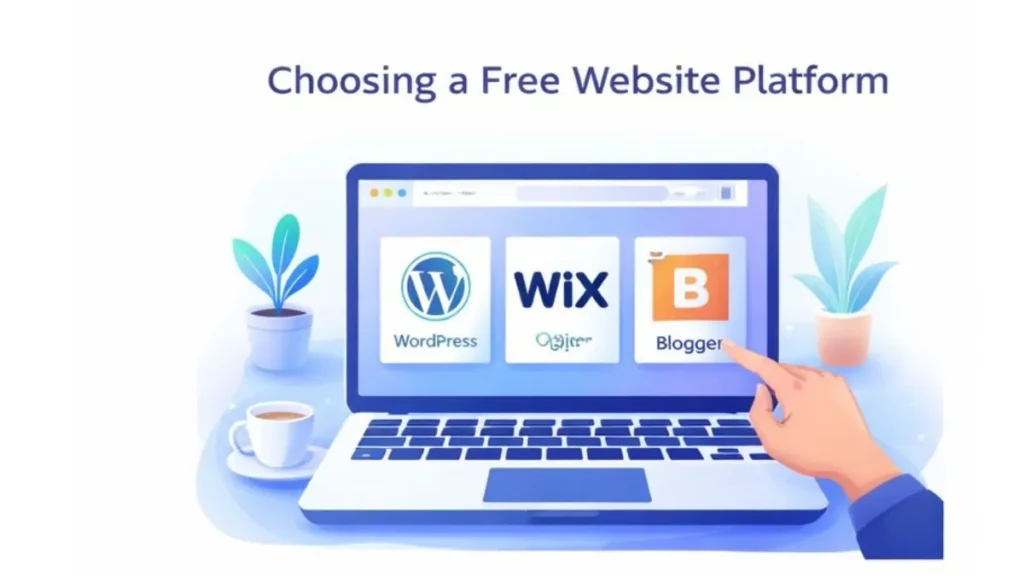
Don’t start with design ideas. Start with the platform. This decision matters more than people think.
If you want something simple, these free website builders work well:
For beginners, I usually suggest WordPress.com or Wix. They’re flexible, easy to understand, and you won’t feel trapped if your website grows later.
One thing people often miss — free websites come with a subdomain.
Something like:
yourname.wordpress.com
yourname.wixsite.com
At first, it might feel a bit unprofessional. But honestly? It’s fine. I used one for months. Nobody complained. Most visitors don’t even notice.
Step 2: Create Your Free Account
This part is quick.
Go to your chosen platform and sign up using:
Email
Google account
Facebook (optional)
They’ll ask questions and show pricing plans. This is where beginners sometimes panic.
Just look for “Continue with free plan.”
I’ve seen people accidentally buy a plan here because the buttons look similar. Slow down. Read once. Then click.
No rush.
Step 3: Choose Your Website Type (Don’t Overthink This)
You’ll be asked what kind of site you want:
Business website
Portfolio
Online store
Pick the closest option and move forward.
This isn’t permanent. You can change layouts later. I’ve rebuilt entire sites after publishing — and it took minutes.
People spend an hour deciding here. That hour is better spent publishing something.
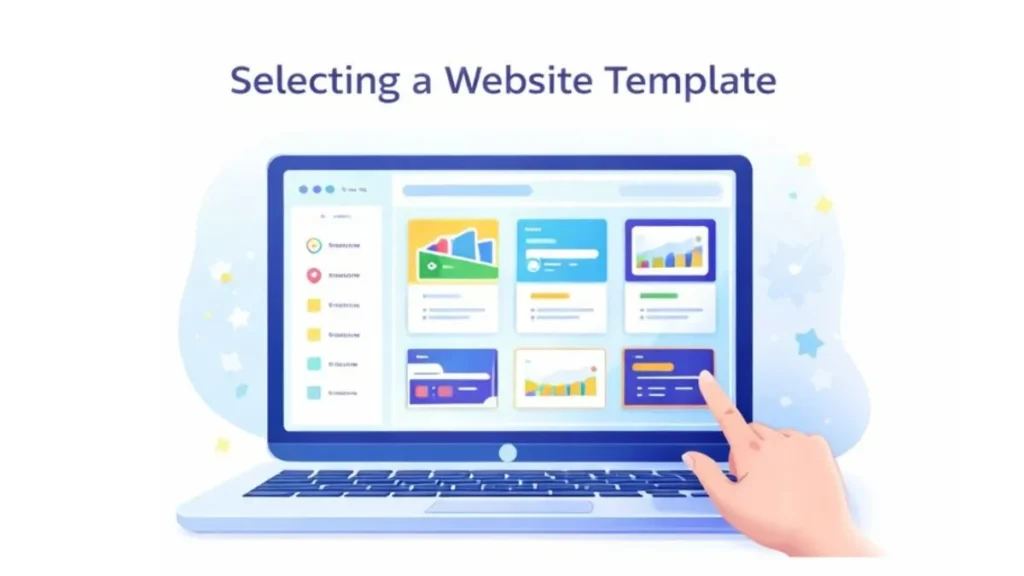
Step 4: Select a Template
Now you’ll see themes or templates. Lots of them.
Here’s a mistake I made early on — I chose the most “creative” design. Animations, sliders, effects… it looked impressive.
It was also slow. And confusing.
Choose something:
Clean
Simple
Easy to read
Mobile-friendly
If your site looks good on a phone and loads quickly, you’re already doing better than many websites out there.
Simple works. It really does.
Step 5: Add the Basic Pages
At minimum, create:
Home
About
Contact
If it’s a blog, add a Blog page too.
When I started, I wrote a long, emotional About page. My story, my journey, everything.
Nobody read it.
Keep it short:
Who you are
What the website is about
Why it exists
That’s enough. You can always expand later.
Step 6: Customize the Essentials
Now adjust the basics:
Site title
Logo (text logo is perfectly fine)
Colors (try not to use too many)
Menu
This is where people get stuck tweaking things again and again.
I did that for days. Fonts. Colors. Spacing. Then changed everything the next week.
Here’s a better rule:
If it looks clean and readable… stop.
Good enough beats perfect. Every time.
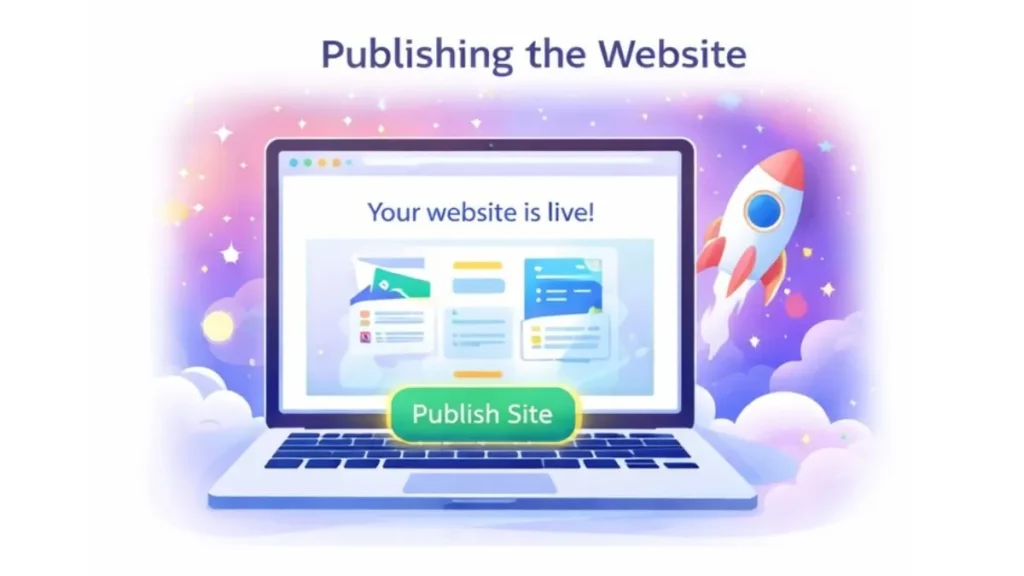
Step 7: Publish Your Website
There will be a Publish button.
Click it.
Don’t wait for perfection. Your first version won’t be perfect. Mine definitely wasn’t. Most websites you see today didn’t start polished either.
Once published, your free website is live.
That moment feels strange. And a little exciting.
Step 8: Start Adding Content (This Matters More Than Design)
Whether it’s a blog website, portfolio, or business page — content is what brings visitors.
You can:
Write helpful articles
Share your work
Post tutorials or tips
Update regularly
From what I’ve seen, websites don’t fail because of design.
They fail because the owner stops updating.
Consistency beats design. Every time.
A Small Warning (Most Beginners Learn This Late)
Free websites are great for starting. But there are limits:
Limited storage
Platform ads (sometimes)
No custom domain unless you upgrade
At some point, if your site grows, you might move to paid hosting or buy a domain.
That’s normal.
Think of the free version as training wheels. Starting free removes pressure — and when there’s less pressure, people actually continue.
Things You’ll Probably Search Later
At some point, you’ll come across terms like:
free website builder
create a website without coding
free domain and hosting
WordPress beginner guide
website design for beginners
start a blog for free
Don’t try to learn all of this today.
Build first.
Then learn as problems show up. That’s how most of us actually learned — not from courses, but from fixing small issues one by one.
1. Can I really make a free website without coding?
Yes. Platforms like WordPress.com, Wix, Blogger, and Google Sites allow you to create a website using drag-and-drop tools. No coding skills are needed. Most beginners start this way, and honestly, it’s the easiest path.
2. How long does it take to make a free website?
If you focus and don’t overthink design, you can create a basic website in 30–60 minutes. The real time goes into adding content later, not the setup.
3. What is the best free website builder for beginners?
For most beginners:
WordPress.com – best for blogging and long-term growth
Wix – best for simple business or portfolio sites
Both are easy to use and reliable.
4. Will my free website have a custom domain?
No. Free plans usually give a subdomain like:
yourname.wordpress.com or yourname.wixsite.com
You’ll need to upgrade later if you want a custom domain like yourname.com.
5. Are free websites good for earning money?
You can start learning and building traffic on a free website. But for serious blogging, ads, or affiliate marketing, most people eventually move to paid hosting and a custom domain.
One Thing I Wish Someone Told Me
Your first website won’t look professional.
It may feel basic. Maybe even a little awkward.
That’s normal.
The people who succeed online aren’t the ones who build perfect websites. They’re the ones who keep improving — small updates, small changes, over time.
So if you’re still thinking, “Should I start today?”
Start.
Because a simple website, even a free one, teaches you more than weeks of tutorials. And months later, when you look back at version one, you’ll notice how much it changed.
That’s the real progress.
Quiet. Slow. But very real.

kwkhan
KwKhan is a passionate blogger who helps beginners start their online journey the simple way. On kwkhan.com, he shares practical guides on website creation, blogging, SEO, and online growth — without technical confusion or complicated terms. His goal is simple: help you start, grow, and succeed online step by step.